←
All field notes
Field notes
4
min read
Midnight sun, zero chillers: summer in the hall
The sun has not set over Narvik since late May. What 24-hour daylight does to a hall that is cooled by outside air, and why it stays calm.

Ravi Menon
Head of Engineering

Hall A, Narvik · 68.4° N
Photo: Nordlys
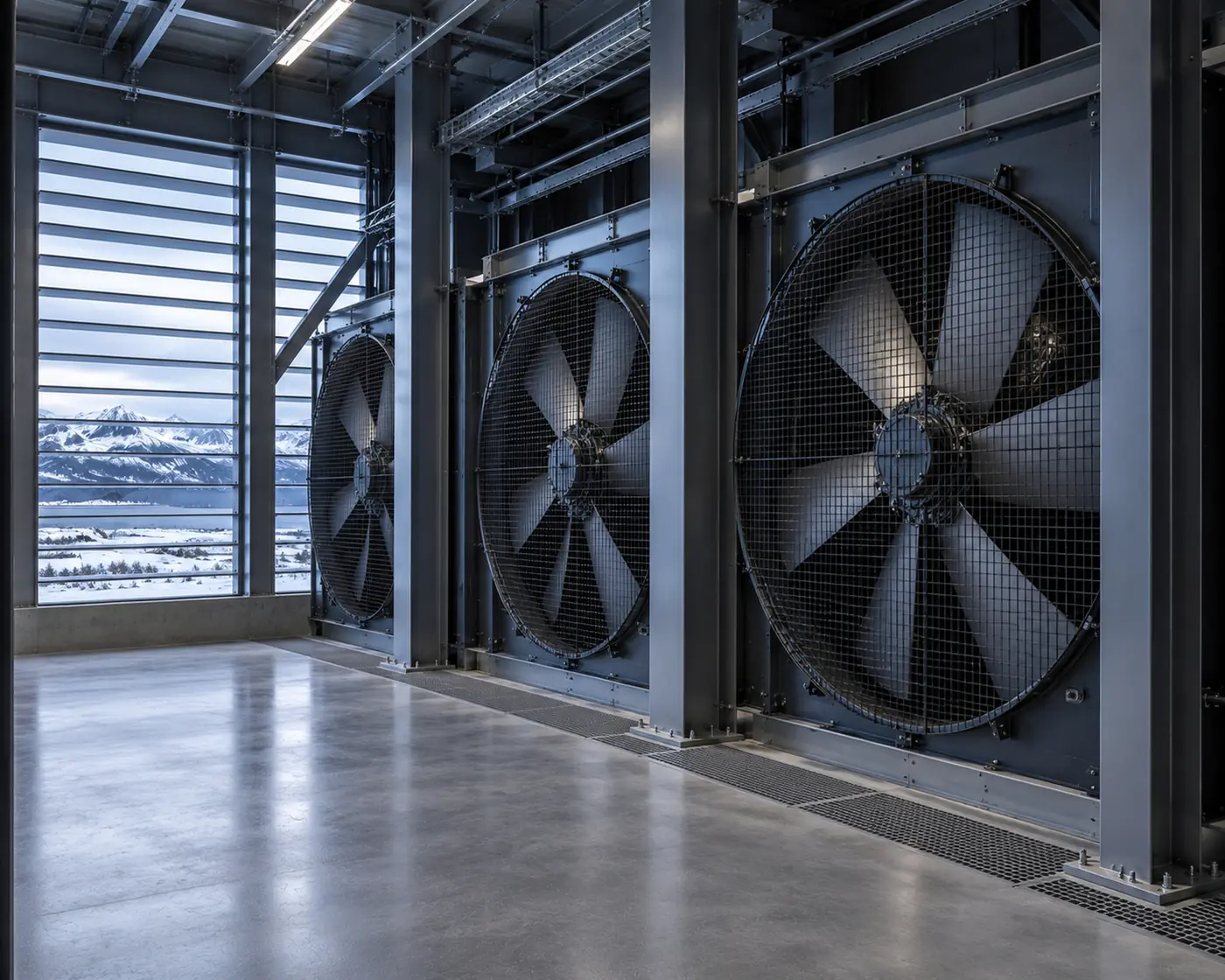
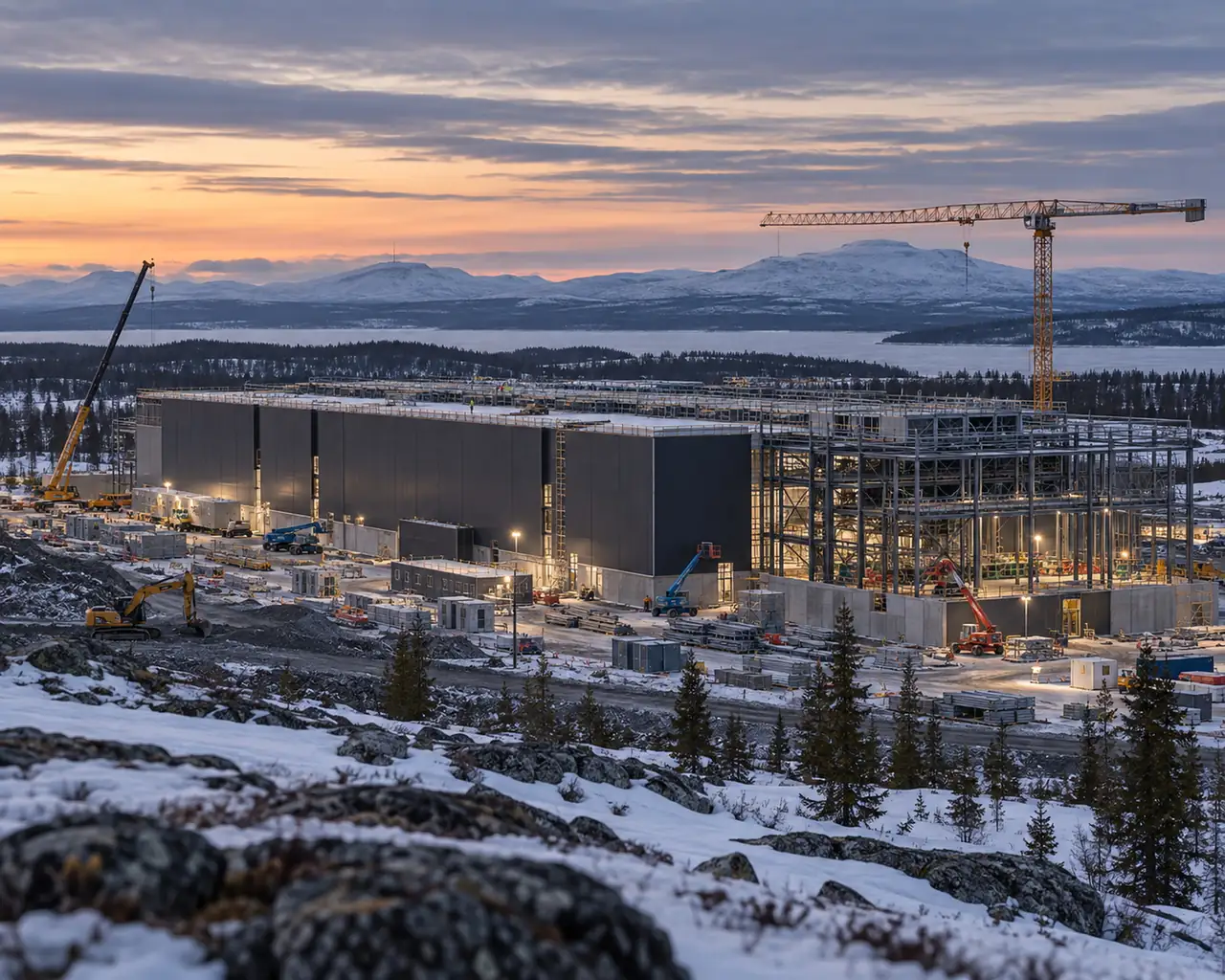
From late May to mid July the sun does not set over Narvik. For a hall cooled by outside air, that sounds like the worst possible season. In practice it is the quietest part of our year.
Light is not heat
The midnight sun is low and weak. Even at midsummer, outside air in Narvik averages around 13 °C, and the nights, bright as they are, still cool down to single digits. The cold aisle runs at 24 °C, so for almost every hour of June the air outside is still the coldest thing we can find.
On the few warm afternoons we open the intake dampers wider and let the fans run faster. Fan power rises for a few hours, the PUE moves from 1.06 to around 1.12, and then the evening brings it back down.
What the team does differently
Summer is when we do the work winter makes hard. Intake filters are changed, louvres are serviced and the snow baffles are inspected before the first autumn storms. Technicians walk the roof at 2 a.m. in full daylight, which never stops feeling strange.
The numbers
In June the hall averaged a PUE of 1.07 and used no water for cooling. No customer job was throttled, and the warmest inlet reading of the month was 25.4 °C.
Field notes · Hall A, Narvik

Run on Arctic air and hydro from $1.46 per GPU-hour. An engineer replies within one working day.